

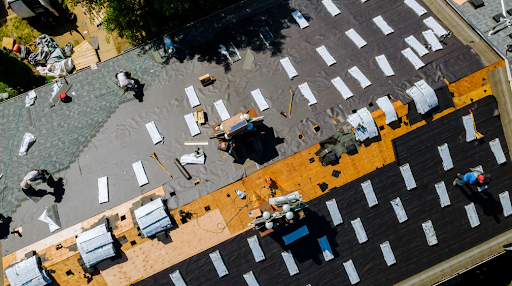
Storms can turn a stable roof into a serious risk in just a few minutes. High winds lift shingles, hail bruises surfaces, and heavy rain finds every weak seam. In those moments, homeowners need fast, skilled help to prevent bigger damage inside the home. A trusted roofing company in Cumming becomes essential because emergency response is about more than patching a hole. It is about stabilizing the structure, protecting interiors, and planning repairs that hold up long after the storm has passed.
Rapid Assessment After the Storm
The first role of a professional roofing team in an emergency is a thorough inspection. Even when damage looks minor from the ground, storms often create hidden problems. Lifted flashing, cracked sealant, punctures, or loosened decking may not be immediately apparent until water starts to spread beneath the surface.
This early assessment helps prioritize safety. Roofers check for structural instability, areas at risk of collapse, and openings where water can enter quickly. They document every issue with photos and notes, so homeowners have clear evidence for repair planning and insurance claims.
Temporary Protection to Stop Further Damage
Once hazards are identified, emergency work shifts to temporary stabilization. This step protects the home while a full repair plan is prepared. Roofers install tarps or protective coverings over open areas, seal vulnerable seams, and secure loose materials that could blow away in the next round of wind or rain.
These temporary measures are not shortcuts. They are carefully applied barriers designed to prevent water intrusion and maintain roof integrity until permanent repairs can be scheduled. When done correctly, they reduce the chance of interior damage to drywall, insulation, wiring, and flooring.
Skilled Repair Planning Based on Roof Type
Different roofs respond differently to storms, and emergency repairs must be tailored to match the existing system. A roofing crew evaluates material type, slope, ventilation, and drainage before recommending the right repair path. This is where understanding various kinds of roofs and their applications becomes useful, because the repair approach for architectural shingles is not the same as for metal panels, tile, or low-slope membranes.
A professional team considers how the roof was originally built, what weather forces caused the damage, and whether repairs should be partial or a full replacement. Matching materials correctly is critical for both appearance and long-term performance.
Support With Insurance and Documentation
Another major role of roofing companies during storm response is helping homeowners navigate the claim process. A detailed inspection report, paired with accurate cost estimates, gives homeowners stronger support when working with insurers. Roofers also explain what damage is storm-related versus normal aging, which helps avoid disputes and delays.
Many emergency crews are trained to speak the language of adjusters. They know what evidence matters, how to show cause and effect, and how to outline the scope of work clearly. This guidance reduces stress for homeowners who are already dealing with the disruption of storm damage.
Long-Term Restoration and Resilience
Emergency response does not end with a tarp or a quick patch. The final phase is restoring the roof to full strength and improving resilience where possible. Professionals double-check ventilation, reinforce flashing, replace damaged decking, and ensure water flow systems like gutters and edges are performing well.
They may also identify weak points that were present before the storm and recommend upgrades that make the roof stronger against future events. This long view is what separates lasting results from temporary fixes.
Coordinated Work With Other Repairs
If the storm caused exterior or interior damage, roofing teams often coordinate with restoration crews to ensure repairs happen in the right order. A roof that is fully sealed and repaired first allows other trades to work safely and prevents new water exposure during interior restoration.
Conclusion
Roofing companies play a vital role in emergency storm response by inspecting damage quickly, preventing further water intrusion, tailoring repairs to the roof system, and supporting homeowners through documentation and restoration. Their professional approach protects both the home and the people living in it, turning a stressful storm event into a clear, well-managed recovery with durable results.