

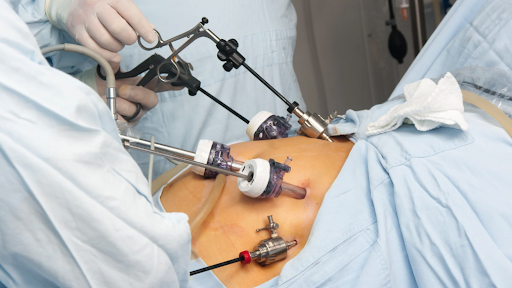
Understanding why gastric bypass is highly effective in supporting diabetes remission begins with recognizing how closely metabolic health and weight regulation are linked. Many individuals exploring treatment options consider gastric bypass in Manhattan early in their research, particularly because of its strong history of improving blood sugar control. The procedure not only reduces food intake but also triggers powerful hormonal changes that affect appetite, metabolism, and insulin sensitivity. These shifts often lead to dramatic improvements in glucose regulation even before significant weight loss occurs. For many patients, this creates an important turning point in long-term health management.
Why Gastric Bypass Often Leads to Diabetes Remission
One of the most compelling reasons gastric bypass is associated with diabetes remission is the immediate hormonal response it produces. Changes in gut hormones such as GLP-1 help regulate insulin release and appetite, promoting healthier eating habits and better glucose control. Many individuals see improved fasting blood sugar within days of surgery, long before visible weight loss takes place.
Another important factor is reduced insulin resistance. Because the body requires less insulin to process glucose after surgery, pancreatic function stabilizes and becomes more efficient. This is particularly helpful for individuals who have struggled with unstable blood sugar levels for years. As the body adapts to its new metabolic rhythm, patients often experience improved energy, reduced inflammation, and better overall health markers.
How Gastric Bypass Supports Metabolic Improvements
Before examining its direct effect on diabetes remission, it helps to understand the physiological changes that occur after gastric bypass. The surgery alters the digestive pathway, allowing food to bypass a portion of the stomach and small intestine. This adjustment significantly influences how the body processes nutrients and regulates hormones. Understanding how effective gastric bypass is for long-term weight loss explains why so many individuals experience sustained metabolic benefits, making it easier to maintain stable blood sugar levels over time. When excess weight decreases alongside improved hormone function, insulin sensitivity increases, helping the body manage glucose more efficiently.
These combined effects often result in reduced reliance on medication and, in many cases, complete remission. The metabolic boost that occurs early in recovery helps set the stage for continued improvement, especially when supported by lifestyle changes and medical follow-up.
The Lasting Impact of Gastric Bypass on Overall Health
While diabetes remission is a significant benefit, gastric bypass also contributes to long-term improvements in cardiovascular health, mobility, and hormone balance. Many people experience lower cholesterol, decreased blood pressure, and improved stamina as weight continues to decrease. These cumulative effects create a healthier internal environment that supports metabolic stability.
Additionally, the structure and routine that follow surgery encourage individuals to adopt mindful eating habits and consistent physical activity. This shift not only helps preserve weight loss but also reinforces the body’s ability to regulate blood sugar effectively. Over time, this combination of biological and behavioral changes forms a strong foundation for lasting diabetes remission.
Conclusion
Gastric bypass plays a powerful role in diabetes remission due to its ability to reshape digestive pathways, enhance hormone regulation, and reduce insulin resistance. By supporting long-term metabolic improvements and encouraging healthier habits, the procedure provides individuals with a renewed opportunity to stabilize blood sugar and improve their overall health. For many, these benefits create lasting and meaningful change that extends far beyond the initial recovery period.