

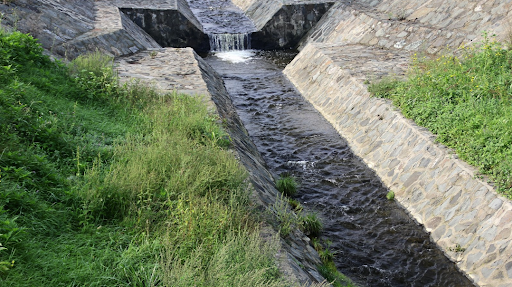
Standing water, soggy lawns, and basement moisture are all common indicators of a property drainage problem. Choosing the right system to manage excess water is crucial for protecting your landscape and your home’s foundation from long-term damage. However, with various options available, selecting the most effective one can be confusing. The ideal system depends on your property’s specific challenges, including its slope, soil type, and the source of the water. Partnering with a professional for drainage solutions in Roswell is the best way to ensure you get a custom solution that works.
Assessing Your Property’s Needs
Before any system can be recommended, a thorough evaluation of your yard is necessary. Different water problems require different solutions, and a misdiagnosis can lead to an ineffective and costly installation.
Identifying the Water Source
Is your issue caused by surface water runoff from heavy rains, or is it due to groundwater welling up from below? Surface water problems often appear as puddles in low spots or water flowing toward your foundation. Groundwater issues might manifest as a consistently damp or spongy lawn. Recognizing the signs that your yard needs a drainage upgrade is the first step toward finding the correct fix. A professional can analyze your property’s topography and soil composition to accurately identify the source and design an appropriate response.
Common Types of Drainage Systems
Once the problem has been identified, a professional can recommend the best type of system. Each is designed to handle specific scenarios, and sometimes a combination of systems is required for complete protection.
French Drains
A French drain is a popular and highly effective subsurface solution for managing groundwater. It consists of a perforated pipe placed in a trench filled with gravel. This system collects excess water from saturated soil and directs it away from your home to a suitable exit point. It is ideal for preventing water from seeping into basements or crawl spaces and for drying out perpetually soggy areas of your lawn.
Channel and Surface Drains
When the problem is primarily surface water, such as runoff from driveways, patios, or downspouts, channel drains and catch basins are excellent options. A channel drain is a long, narrow grate set into a paved surface that intercepts water and funnels it into a pipe. Catch basins are grated boxes installed in low spots in the lawn or landscape to collect pooling water. managing surface runoff is key to preventing soil erosion and protecting hardscapes.
The Importance of Professional Installation
Choosing the right system is only half the battle; proper installation is what ensures it will function correctly for years to come. An incorrectly installed drain can fail to solve the problem or even make it worse.
Precision and Expertise
Professionals have the knowledge to calculate the correct slope, depth, and materials needed for your specific situation. They use specialized equipment to ensure precise grading so that water flows away from your property through gravity. This expertise guarantees that your drainage system will be a reliable, long-term asset that protects your home and landscape from the damaging effects of excess water.
Conclusion
Selecting and installing the right drainage system is a critical investment in the health and stability of your property. By accurately diagnosing the source of your water issues and choosing a solution tailored to your landscape, you can prevent costly damage to your foundation and reclaim your outdoor living spaces. Because of the technical complexities involved, relying on the expertise of a professional ensures the job is done correctly, providing you with effective and lasting protection.