

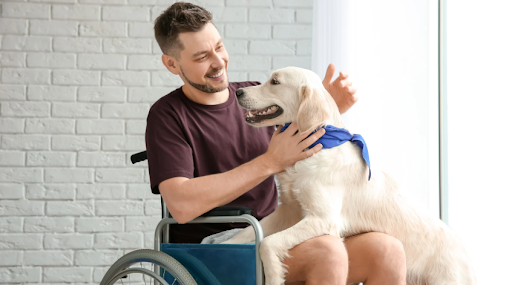
Service dogs must navigate a wide range of environments, people, and unpredictable situations with confidence and calmness. Their ability to support their handlers depends heavily on proper socialization from an early age. Working with professionals who specialize in service dog training in Atlanta ensures that each dog gains the exposure and guidance needed to perform effectively. Socialization builds emotional stability, strengthens focus, and prepares service dogs to respond reliably in everyday scenarios. Understanding how to approach this process is essential for helping service dogs thrive.
Building Confidence Through Early and Positive Exposure
Service dogs learn best when introduced to new experiences gradually and positively. Early exposure to various environments helps them remain calm in spaces such as busy streets, stores, public transportation, and medical facilities. Controlled introductions allow dogs to adjust at their own pace while developing confidence in unfamiliar settings. Exposure should include different surfaces, smells, and sounds to help dogs adapt to unexpected sensory input. The more varied their experiences, the better prepared they become for real world tasks. Structured programs and consistent practice reinforce that new situations are safe and manageable.
Socialization also helps dogs develop emotional balance. Calm behavior around strangers, children, and animals is essential for service work. Many foundational skills are strengthened when owners participate in guided sessions that resemble dog training classes in Atlanta, where distraction management and obedience skills are integrated into the learning process. These experiences create well rounded dogs capable of focusing even in challenging environments.
Teaching Appropriate Behavior Around People and Other Animals
Service dogs must remain composed around all types of interactions. During socialization, dogs learn how to respond politely when approached and how to ignore public distractions. These behaviors are essential for maintaining professionalism and ensuring safety for both the dog and the handler.
Consistency during practice is key. Repeated exposure helps dogs understand what is expected when encountering crowds, sudden movements, or unfamiliar animals. Controlled greetings teach dogs to stay focused on their handler rather than reacting to external excitement. Calm exposure to other animals also prepares service dogs to maintain composure in public spaces. Whether passing barking dogs at a park or pets in a waiting room, service dogs learn to stay neutral and attentive to their handler’s cues. This level of discipline is essential for reliable performance in everyday environments.
Developing Strong Task Focus and Emotional Stability
Socialization goes beyond simple exposure, it supports the emotional resilience needed for service responsibilities. Service dogs must stay focused even when distractions are loud or unpredictable. Training helps dogs develop impulse control and confidence, allowing them to continue performing tasks such as guiding, alerting, or providing physical assistance.
Structured routines reinforce calm responses. Gradual challenges such as increasing noise levels or introducing moving objects teach dogs how to adapt without becoming overwhelmed. Trainers use positive reinforcement to reward steady behavior, strengthening the dog’s ability to regulate emotions under pressure.
Socialization also improves problem solving. Dogs learn to navigate obstacles and adjust to changing environments, which supports their readiness for real world tasks. Each successful experience boosts confidence and reinforces reliability.
Conclusion
Proper socialization is essential for service dogs to thrive in their roles. Through exposure to varied environments, positive interactions, and structured training, dogs develop the confidence and emotional stability needed to support their handlers effectively. Training programs that emphasize consistency, calm behavior, and task readiness help service dogs navigate daily challenges with reliability and focus.