

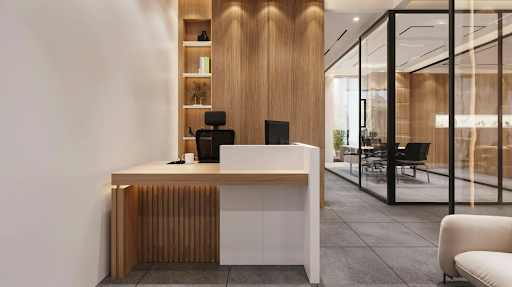
Good lighting plays a crucial role in how people experience and interact with a commercial environment. From improving visibility and comfort to supporting productivity and customer engagement, lighting influences both the aesthetics and functionality of a space. Businesses often explore upgrades such as commercial remodeling in Johns Creek to create modern environments that reflect their brand and support better daily operations. Since lighting affects safety, mood, efficiency, and long-term energy performance, understanding its full importance helps business owners make informed decisions during commercial improvements.
How Lighting Impacts Comfort and Productivity
Lighting directly shapes how employees feel and perform throughout the workday. Brightness levels, color temperatures, and the placement of fixtures all influence focus, alertness, and overall comfort. When lighting is too dim, people experience eye strain, fatigue, and reduced motivation. If the lighting is too harsh, it can create glare or headaches that interrupt workflow. Commercial spaces require balanced illumination that supports visibility without overwhelming the senses.
Well-designed lighting can also contribute to emotional well-being. Warm lighting creates inviting atmospheres for hospitality businesses, while cool lighting is ideal for office environments that require clarity and concentration. Even subtle adjustments can make a meaningful difference, especially in high-traffic areas where clients and employees interact frequently.
Lighting and Safety in Commercial Environments
Safety is another essential aspect influenced by lighting quality. Poorly lit hallways, staircases, entrances, and parking lots increase the risk of accidents and make customers feel less secure. Bright and strategically positioned lighting supports navigation, reduces hazards, and ensures employees can perform tasks accurately.
Emergency lighting is also critical. In the event of a power outage or emergency, reliable lighting can guide occupants safely to exits. This need for safety highlights the difference between residential and commercial construction, which emphasizes stricter codes and performance standards required in business environments.
Enhancing Customer Experience Through Lighting
Lighting plays a powerful role in shaping how customers perceive a commercial space. It influences mood, ambiance, and even purchasing decisions. Retail stores use bright, focused lighting to highlight products and make colors appear more vibrant. Restaurants often use dimmer, warmer tones to create a relaxed and welcoming atmosphere. Professional offices may rely on balanced, neutral lighting to promote trust and clarity.
The design strategy should reflect brand identity. A modern, sleek business may choose cool LED lighting paired with clean architectural elements, while a creative studio might prefer layered lighting that enhances textures, artwork, and design features. Customized lighting helps businesses express their personality and attract the right clientele.
Energy Efficiency and Operational Benefits
Beyond aesthetics, lighting significantly affects energy use and operational costs. Modern LED systems are far more efficient than older incandescent or fluorescent bulbs. They last longer, emit less heat, and consume less electricity. Smart lighting technologies add even greater control with motion sensors, dimming capabilities, and automated scheduling.
Upgrading outdated lighting systems improves sustainability and reduces long-term expenses. Businesses that undergo renovations benefit from integrating energy-efficient lighting early in the design process, ensuring compliance with current standards and lowering utility bills.
Lighting as a Core Element of Commercial Design
Lighting is an essential design component that ties together architecture, interior layout, and functionality. It highlights important areas, enhances color accuracy, and supports visual flow throughout the space. Thoughtfully planned lighting prevents dark corners, shadows, or overly lit zones that create discomfort.
When commercial properties undergo remodeling, lighting is often one of the most transformative upgrades. It can modernize a dated space, improve workflow, and support a wide range of business activities. Choosing fixtures, positioning light sources, and selecting the right intensity all require strategic planning to achieve a cohesive and professional environment.
Conclusion
Good lighting serves as a foundation for comfort, safety, productivity, and customer satisfaction in commercial spaces. It enhances the overall environment, supports branding efforts, and promotes efficient operations. By prioritizing lighting in design and renovation plans, businesses create spaces that feel inviting, function effectively, and adapt to evolving needs.