

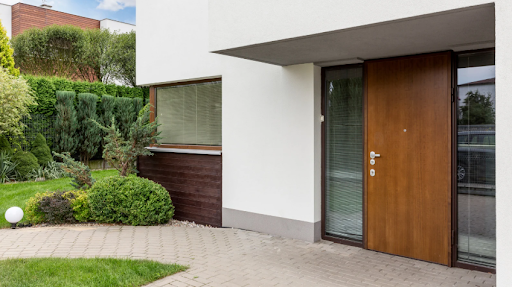
Your entry door is one of the most important parts of your home because it shapes first impressions, protects your interior, and helps control comfort. When homeowners start exploring entry doors in Powell, they are often surprised by how much material choice affects performance over time. The right door material can improve energy efficiency, reduce maintenance needs, and handle local weather without losing its fit or finish. Since an entry door is used every day, selecting a durable and stable option with professional support is a smart long-term investment. Understanding the strengths of each material makes it easier to match style with reliability.
Why entry door material matters
The material you choose determines how your door handles temperature changes, moisture, daily wear, and security demands. This decision is not only about looks. Some materials resist dents better, others insulate more effectively, and some need more maintenance to stay in peak condition. By comparing options carefully, you avoid problems like warping, sticking, or premature fading. Professional guidance ensures your door suits both your home design and your environment.
Wood doors for classic style and customization
Wood doors remain a popular choice because they offer a warm, timeless appearance and can be customized with stains, carvings, or decorative panels. They are also strong and can feel substantial, which many homeowners like. However, wood reacts more to humidity and sunlight than other materials. Without proper sealing and upkeep, it can swell or shift slightly. That is why professional installation and finishing are essential to help wood doors maintain alignment and durability through the seasons.
Best use cases for wood
Wood works well for covered entryways or homes where a traditional look is the top priority, especially when paired with quality protective finishes.
Fiberglass doors for durability with low upkeep
Fiberglass is one of the most practical modern options because it balances strength, efficiency, and easy care. Fiberglass doors resist dents, cracking, and moisture absorption better than many other choices. They often include insulated cores that reduce heat transfer, making them a strong pick for energy-conscious households. Fiberglass can also mimic wood grain convincingly, letting homeowners enjoy a classic look without the same maintenance level. For many climates, this material offers reliable stability year after year.
Steel doors for security and value
Steel doors are known for strength and security while staying affordable compared to other premium materials. They typically include insulation and weather seals that help control indoor temperature. Steel also holds up well against daily impact and heavy use. The main concern is surface damage such as scratches or exposed dents, which can lead to rust if left untreated. Many newer steel doors include protective coatings that reduce this risk. A professional installer ensures your steel door is properly balanced and sealed, which improves performance and lifespan.
When steel is the right fit
Steel is ideal for homeowners who want strong security, dependable insulation, and a clean, modern look without high maintenance demands.
Choosing a material that prevents warping
Warping is one of the most frustrating door issues because it affects appearance, sealing, and locking. Heat, moisture, and poor installation are the most common triggers. Some materials naturally resist warping better, especially fiberglass and steel, while wood needs stricter protection. If you want deeper guidance on keeping doors stable, how to prevent your entry door from warping explains how climate exposure and maintenance choices influence door shape over time. Discussing these factors with a professional helps you select the most stable material for your entry.
Conclusion
Choosing the right entry door material is about more than style. Wood offers unmatched character but needs careful protection, fiberglass provides excellent durability and efficiency, and steel delivers strong security with long-term value. The best option depends on your climate, your design goals, and how much upkeep you want to manage. With professional measurement and installation, the right material will keep your entry safe, attractive, and reliable for years.