

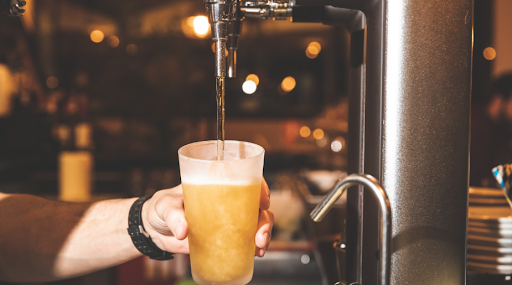
Designing an efficient bar setup in a compact room requires thoughtful planning and creative use of space. Small rooms can still deliver a refined entertaining experience when every element is placed with intention. One of the most effective ways to achieve this is through liquor dispensers that combine functionality with visual appeal. When positioned strategically, these fixtures free up surfaces and add character without overwhelming the room. In smaller interiors, every design decision must serve multiple purposes. Proper placement transforms dispensers into design features rather than mere accessories. With professional planning, small spaces can feel organized, inviting, and visually balanced.
Using Vertical Space to Maximize Function
Wall placement is one of the most effective strategies for small rooms. Vertical installations keep floors and countertops clear while drawing the eye upward. This creates the illusion of height and openness, which is especially valuable in compact areas.
A wall-mounted dispenser can serve as a focal point while maintaining accessibility. When aligned with existing cabinetry or shelving, it integrates seamlessly into the room design. Professional designers often recommend mounting dispensers at eye level to ensure ease of use and visual harmony. This approach also allows surrounding surfaces to remain uncluttered, which supports a clean and intentional aesthetic.
Creating a Defined Bar Zone
Even in small rooms, defining a specific bar zone adds structure. A dispenser mounted above a narrow console or cabinet visually anchors the area. This separation helps the bar feel purposeful rather than improvised.
Incorporating complementary décor enhances the effect. Subtle accents, such as bar & table top signs, placed on nearby surfaces, reinforce the theme without occupying excessive space. These details add personality while maintaining balance. The key is restraint. Each element should support the overall design rather than compete for attention.
Corner and Transitional Space Solutions
Corners are often underused in small rooms, yet they provide excellent opportunities for dispenser placement. A corner-mounted unit utilizes space that might otherwise remain empty. This keeps the main walls open and reduces visual congestion.
Transitional spaces, such as the area between a kitchen and a living room, can also accommodate dispensers. Placing a dispenser near an entryway or adjacent to dining areas improves flow and accessibility during gatherings. Professionally planned layouts consider traffic patterns, ensuring dispensers are easy to reach without interrupting movement. This level of planning enhances both comfort and functionality.
Integrating With Existing Furniture
Small rooms benefit from cohesive design. Integrating dispensers with existing furniture, such as cabinets, shelving, or sideboards, creates a unified look. Matching wood tones and finishes helps the dispenser feel like a natural extension of the space.
Design professionals often align dispensers with furniture edges or architectural lines to maintain symmetry. This approach avoids visual clutter and reinforces a sense of order. Proper integration also supports long-term usability, making the bar area both practical and visually pleasing.
Lighting and Visual Balance
Lighting plays a crucial role in small spaces. Focused lighting around a dispenser highlights its design while adding warmth. Soft ambient lighting prevents harsh shadows and enhances the room atmosphere. Avoid overly bright fixtures that can overwhelm a compact area. Instead, subtle lighting emphasizes texture and material quality. This technique draws attention without visually crowding the space. Balance is achieved when lighting complements the placement of the dispenser and the surrounding décor.
Professional Planning for Lasting Impact
Successful small room bar designs rely on professional insight. Experts evaluate proportions, sight lines, and usage patterns to determine optimal placement. This ensures dispensers enhance rather than hinder the space.
Professional services also consider long-term durability and ease of maintenance. Quality installation ensures stability, safety, and consistent performance over time. By investing in expert planning, homeowners achieve a polished result that feels intentional and refined.
Conclusion
Creative placement transforms liquor dispensers into functional design features even in small rooms. Through vertical solutions, thoughtful zoning, and cohesive integration, compact spaces gain efficiency and character. With professional planning and attention, small rooms can deliver an elevated bar experience that feels open, organized, and inviting.