

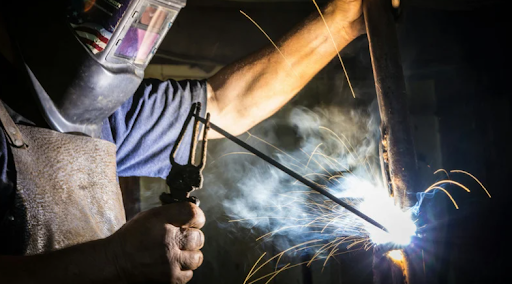
A clean and safe work environment is fundamental to the success of any industrial operation, especially in welding. The process inherently produces harmful byproducts, making effective welding fume ventilation a critical component of workshop safety and efficiency. Proper air quality management goes beyond simple compliance; it directly influences a welder’s comfort, health, and ultimately, their productivity. Investing in professional ventilation systems creates an environment where skilled workers can perform at their best, free from the distractions and dangers of airborne contaminants.
How Fume Exposure Affects Welder Performance
Constant exposure to welding fumes can have a significant and immediate impact on a worker’s ability to perform their job effectively. These fumes, which are a complex mixture of metallic oxides, silicates, and fluorides, can cause short-term health issues that hinder daily output.
Immediate Effects on Comfort and Concentration
When a workshop has poor air quality, welders may experience irritation of the eyes, nose, and throat. This discomfort can lead to frequent breaks and an inability to concentrate on the precise tasks at hand. Headaches and dizziness are also common symptoms of overexposure, which not only reduce a welder’s focus but also increase the risk of accidents and errors. A comfortable worker is a more attentive and productive worker, capable of maintaining high standards of quality throughout their shift.
The Link Between Health and Productivity
The long-term health implications of inhaling welding fumes are well-documented. However, even short-term exposure can lead to respiratory issues that result in increased sick days and decreased overall efficiency. A healthy workforce is more reliable and consistent. By ensuring a clean breathing zone, businesses can protect their most valuable asset—their skilled labor—and maintain a steady production schedule. This proactive approach to health and safety is a cornerstone of a productive welding operation.
Boosting Productivity Through a Cleaner Environment
A well-ventilated space allows welders to work without the physical discomfort caused by fume inhalation. This directly translates to longer periods of focused work and fewer interruptions. For instance, creating an optimized workflow can lead to significant gains in output, as demonstrated by increased productivity achieved with lift and turn fixture solutions. When workers are not battling headaches or respiratory irritation, they can dedicate their full attention to the quality and speed of their welds. This clear link between a comfortable environment and improved performance highlights the return on investment from professional ventilation solutions.
Conclusion
Creating a work environment with clean air is not just a regulatory requirement; it is a strategic business decision. By prioritizing the removal of harmful airborne particles from the workspace, companies can significantly improve the well-being and focus of their welding teams. This leads to fewer health-related interruptions, better concentration on complex tasks, and a more consistent workflow. Ultimately, a safer, more comfortable workshop fosters a more productive and efficient operation, ensuring high-quality results and a stable, healthy workforce.
Expanding this approach further strengthens organizational performance. Investing in robust air-quality systems demonstrates a commitment to operational excellence, reinforces a culture of safety, and enhances long-term workforce retention.