

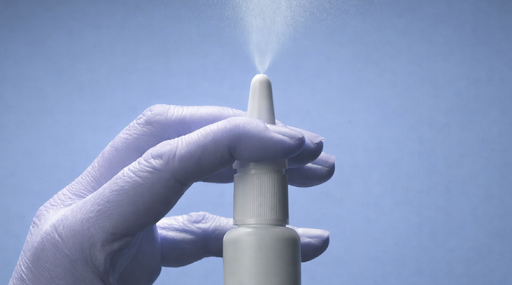
Depression is a complex condition that affects everyone differently, meaning that a treatment that works well for one person might not be effective for another. For individuals who have tried multiple medications without finding significant relief, the search for a solution can feel exhausting and discouraging. Fortunately, advancements in psychiatric medicine have introduced new options like SPRAVATO® (esketamine). Finding a qualified Spravato treatment center in Maryland is the first step for patients seeking to understand if this innovative therapy aligns with their specific medical history and current mental health needs.
Understanding Treatment-Resistant Depression
One of the primary criteria for eligibility involves a specific diagnosis known as Treatment-Resistant Depression (TRD). This classification is used when standard approaches have failed to provide adequate results.
Defining Treatment Resistance
To be considered for this specific therapy, a patient typically must be diagnosed with Major Depressive Disorder (MDD). Furthermore, they must have tried at least two different oral antidepressants of adequate dose and duration during their current depressive episode without experiencing a significant improvement in their symptoms. This requirement ensures that the treatment is reserved for those who truly need an alternative mechanism of action. It is not intended as a first line defense but rather as a powerful option for cases where traditional selective serotonin reuptake inhibitors (SSRIs) or serotonin norepinephrine reuptake inhibitors (SNRIs) have fallen short.
Combining Therapies for Efficacy
It is important to note that esketamine is FDA-approved to be used in conjunction with an oral antidepressant. It is not a standalone cure but works synergistically with other medications. The nasal spray targets the N-methyl-D-aspartate (NMDA) receptor, which is different from the receptors targeted by standard antidepressants. This unique approach helps to restore synaptic connections in the brain. Physicians will evaluate whether a patient is currently taking an antidepressant and if they are willing to continue that regimen alongside the nasal spray sessions.
Medical and Safety Considerations
Beyond the diagnosis of depression, healthcare providers must assess a patient’s overall physical health and safety profile before recommending this course of action.
Physical Health Prerequisites
Certain medical conditions may disqualify a person from receiving this treatment or require extra monitoring. For instance, because esketamine can temporarily raise blood pressure, individuals with a history of aneurysmal vascular disease, arteriovenous malformation, or intracerebral haemorrhage are generally not candidates. Doctors will also closely review a patient’s history for any liver issues or uncontrolled hypertension. A comprehensive medical evaluation is conducted to ensure that the benefits outweigh any potential risks, prioritizing patient safety above all else.
Commitment to the Monitoring Process
The administration process differs significantly from taking a daily pill at home. Patients must self-administer the nasal spray under the direct supervision of a healthcare provider at a certified facility. Following administration, a mandatory observation period, usually lasting at least 2 hours, is required to monitor for side effects such as dissociation or sedation. Understanding what the initial period of Spravato therapy entails helps patients prepare for the time commitment required. Eligibility often hinges on a patient’s ability to adhere to this schedule and arrange for transportation, as driving is not permitted until the next day following a session.
Conclusion
Determining if esketamine nasal spray is the right path involves a thorough assessment of a patient’s psychiatric history, physical health, and ability to commit to the treatment protocol. It offers a promising avenue for those who have struggled with the weight of treatment-resistant depression, providing a different mechanism to address symptoms that have proven stubborn against standard medications. By consulting with specialized healthcare professionals, individuals can navigate these eligibility requirements and make informed decisions about their mental health journey.