

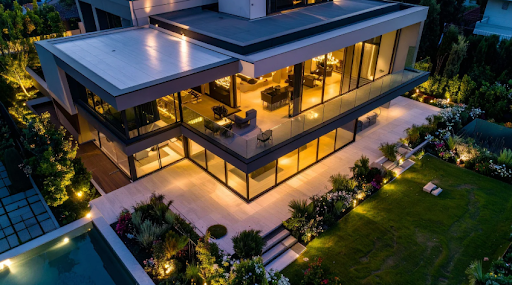
Building a home is one of the most significant investments a person will ever make. It is a space designed for today’s needs, but what about the needs of tomorrow? Future-proof architecture is a design philosophy centered on creating homes that are adaptable, resilient, and ready for whatever life brings. This forward-thinking approach ensures your home can evolve with your family, accommodate new technologies, and withstand environmental changes. Working with a skilled architecture firm in Atlanta can transform this vision into a tangible reality, creating a living space that remains relevant and functional for decades to come.
Designing for Adaptability and Flexibility
Life is unpredictable. Families grow, careers change, and mobility needs can shift over time. Future-proof design anticipates these changes by creating flexible spaces that can serve multiple purposes.
Multifunctional Spaces
Instead of dedicating rooms to a single function, an adaptable design incorporates open floor plans and versatile layouts. A home office could easily be converted into a nursery, or a guest room might double as a home gym. Features like movable walls or modular furniture allow homeowners to reconfigure their environment with minimal effort, ensuring the house can adjust to new family dynamics without requiring costly renovations.
Universal Design Principles
Future-proofing also means planning for accessibility. This concept, known as universal design, involves creating a home that is usable by everyone, regardless of age or physical ability. Features like zero-step entries, wider doorways, and main-floor primary suites ensure the home remains comfortable and navigable for a lifetime. This approach not only prepares for potential mobility challenges but also makes the home more welcoming for all visitors.
Embracing Sustainability and Resilience
A home designed for the future must also be designed with the planet in mind. Sustainable architecture focuses on energy efficiency and responsible material use, which offers long-term benefits for both the environment and the homeowner’s wallet.
Energy Efficiency
An energy-efficient home is a core component of future-proof design. This is achieved through high-performance insulation, energy-efficient windows, and airtight construction that minimizes heat loss or gain. Integrating systems for renewable energy, like solar panels, further reduces reliance on the grid and protects against rising utility costs. It is crucial to have a list of important questions to ask your architect about their approach to sustainability before beginning a project.
Resilient Materials and Systems
Futureproofing also involves building a home that can withstand the challenges of a changing climate. This means selecting durable, low-maintenance materials that are resistant to extreme weather events. Designing for resilience might include incorporating backup power systems, smart water management solutions, and landscaping that helps manage stormwater. These measures ensure the home remains a safe and secure sanctuary no matter what happens outside.
Integrating Technological Advancements
Technology is evolving at a rapid pace, and a future-proof home is built to accommodate these changes seamlessly. This requires planning for smart home integration from the very beginning.
Smart Home Infrastructure
Rather than adding smart devices as an afterthought, future-proof architecture integrates the necessary infrastructure into the home’s core design. This includes robust wiring for high-speed internet, dedicated conduits for future cabling, and a centralized hub for managing smart systems. This foundation allows homeowners to easily adopt new technologies for security, climate control, and entertainment as they become available, ensuring the home never feels outdated.
Conclusion
Future-proof architecture is about designing with intention and foresight. It moves beyond immediate wants to consider the long-term functionality, sustainability, and adaptability of a home. By embracing flexible layouts, sustainable practices, and technological integration, you can create a living space that not only meets your current needs but is also prepared to evolve with you through every stage of life. This thoughtful approach transforms a house into a lifelong home, ready for a future without limits.